Charting Transaction Navigation in Switzerland's Approved Mobile Gambling Platforms
Mia Werner · Oct 10, 2026

Charting Transaction Navigation in Switzerland's Approved Mobile Gambling Platforms
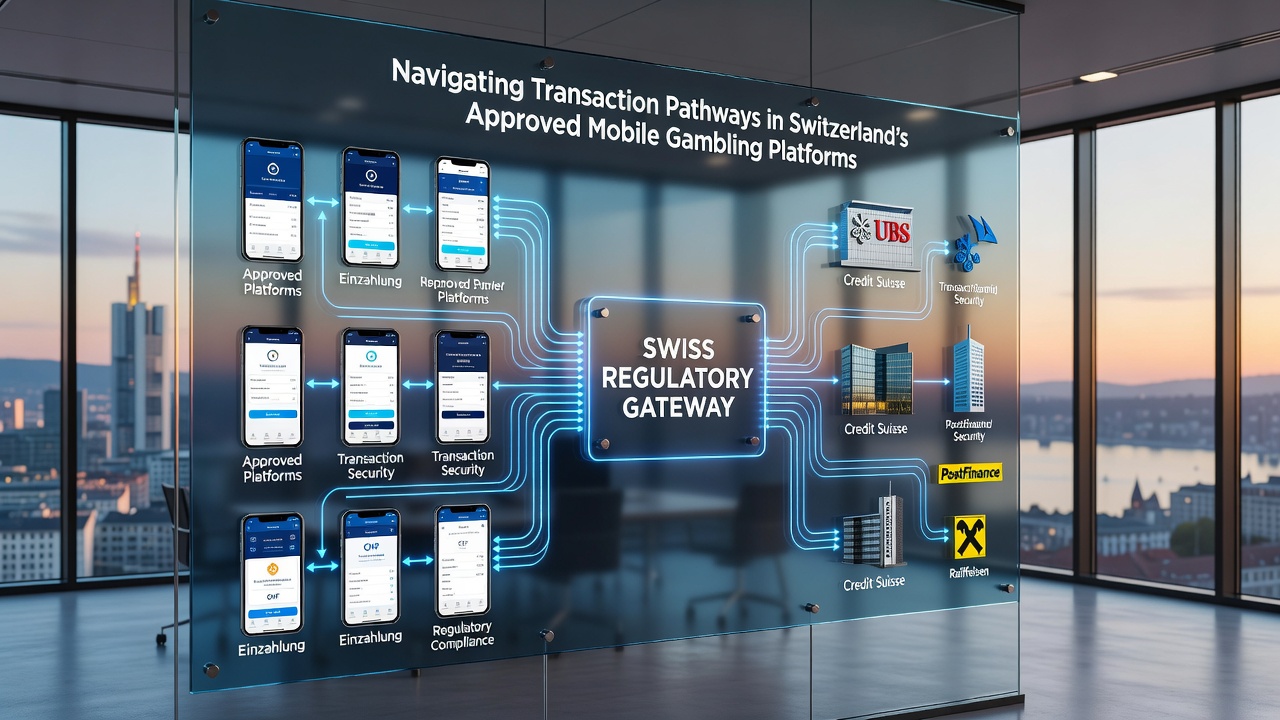
Switzerland maintains a tightly controlled system for mobile gambling where licensed operators must follow precise rules for every financial movement, and users encounter structured pathways that begin with account verification before any deposit or withdrawal can proceed. These pathways integrate bank transfers, digital wallets, and card options, yet each route carries distinct verification layers enforced by the Federal Gaming Board and cantonal authorities. Observers note that approved platforms route transactions through monitored channels to ensure compliance with anti-money laundering standards while maintaining speed for players.
Core Elements of Approved Transaction Systems
Every licensed mobile gambling service in Switzerland operates under federal and cantonal oversight that dictates acceptable payment methods and requires real-time identity checks before funds move. Users typically start by linking a verified Swiss bank account or approved digital wallet, after which the platform generates a unique transaction reference that tracks the entire flow from deposit to potential withdrawal. Data from October 2026 reveals continued growth in mobile transaction volumes as operators refine these reference systems to reduce processing delays without compromising security protocols.
Transaction pathways often branch into instant options and scheduled transfers, with the former limited to pre-approved digital wallets and the latter relying on traditional banking rails that clear within one to three business days. Researchers at Swiss institutions have documented how these branches connect to centralized reporting databases that flag unusual patterns automatically, allowing regulators to review activity across multiple platforms simultaneously. Those who've studied the infrastructure know the system prioritizes traceability over speed in higher-value movements.
Step-by-Step Navigation for Users
Users begin the process inside the mobile application by selecting a deposit method from a curated list that excludes any unapproved international services, then enter details that trigger an immediate cross-check against official records. Once the initial verification clears, funds appear in the gaming account within seconds for digital options or after standard bank processing for wire routes, and the platform logs every step in a tamper-evident record. Withdrawal requests follow a reverse sequence where players must confirm the same linked account before the system initiates the return transfer, often accompanied by a mandatory cooling period for larger sums.
Additional checkpoints appear when activity crosses certain thresholds, prompting further documentation that operators must collect and forward to oversight bodies within set timeframes. Comparative analysis from the Australian Gambling Research Centre shows similar layered verification models in other regulated markets, highlighting how Switzerland's approach aligns with broader international practices while remaining tailored to local banking infrastructure. Experts tracking October 2026 figures report that average withdrawal processing times have stabilized as platforms optimize these multi-stage pathways.
Security Protocols and Regulatory Updates
Encryption standards and multi-factor authentication form the backbone of every transaction pathway, with platforms required to maintain independent audits that verify both technical safeguards and procedural compliance. The Federal Gaming Board publishes periodic summaries that detail how many transactions undergo manual review each quarter, providing transparency into the scale of monitoring without revealing individual operator data. Industry reports indicate that these reviews focus particularly on cross-border elements and repeated small transfers that might indicate structured activity.
Recent regulatory adjustments effective in October 2026 introduced enhanced reporting requirements for certain wallet-based routes, prompting operators to update their internal dashboards so users can view pending verification status in real time. Those following the changes understand that the updates aim to close potential gaps while preserving the overall efficiency of approved pathways. A second external reference comes from the Canadian Centre for Gaming Research, whose studies on regulated markets note Switzerland's emphasis on domestic payment rails as a distinguishing feature that reduces certain risk vectors.
Conclusion
Navigating transaction pathways in Switzerland's approved mobile gambling platforms involves a sequence of verified steps, regulatory checkpoints, and technical safeguards that together create a controlled environment for financial movement. The system continues to evolve with updates such as those recorded in October 2026, yet the core requirement remains consistent: every route must preserve traceability and compliance from initial deposit through final withdrawal. Observers and researchers alike continue to examine these structures as operators adapt to new reporting demands while serving an expanding user base.